Intro
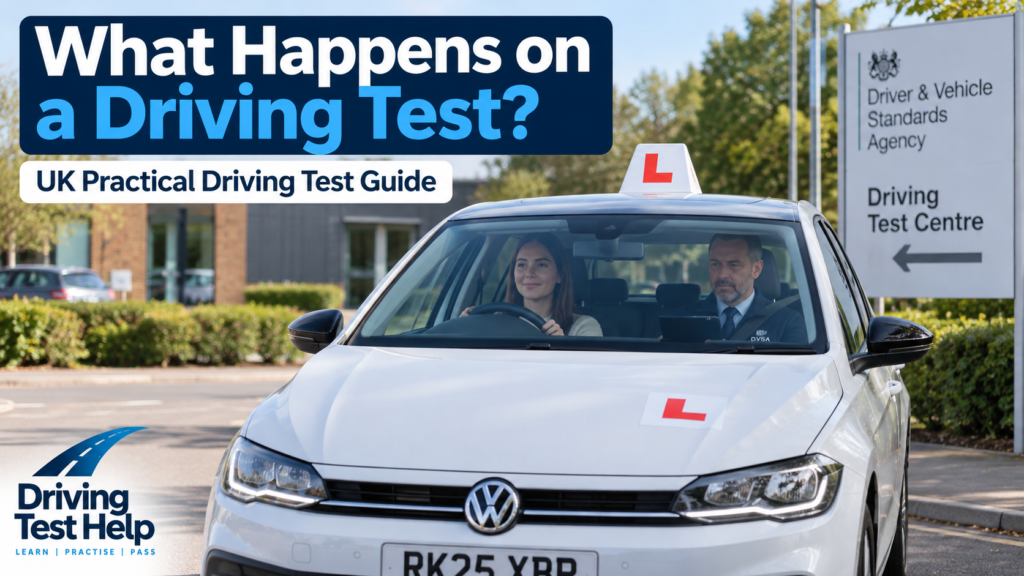
If you’re taking your practical driving test, knowing exactly what happens on a driving test can make the day feel much less daunting. This guide explains what happens during the UK driving test, from the eyesight check and vehicle safety questions to the drive itself and getting your result.
What happens before the driving test?
When you arrive at the test centre, you’ll meet your examiner and be asked to confirm your details.
Before the driving part of the test begins, you’ll need to:
- Read a number plate from the required distance
- Using your own car for the test? Find out what it needs to meet the Driving Test Car Requirements.
- Answer a “tell me” vehicle safety question
- Get settled in the driver’s seat before the test begins
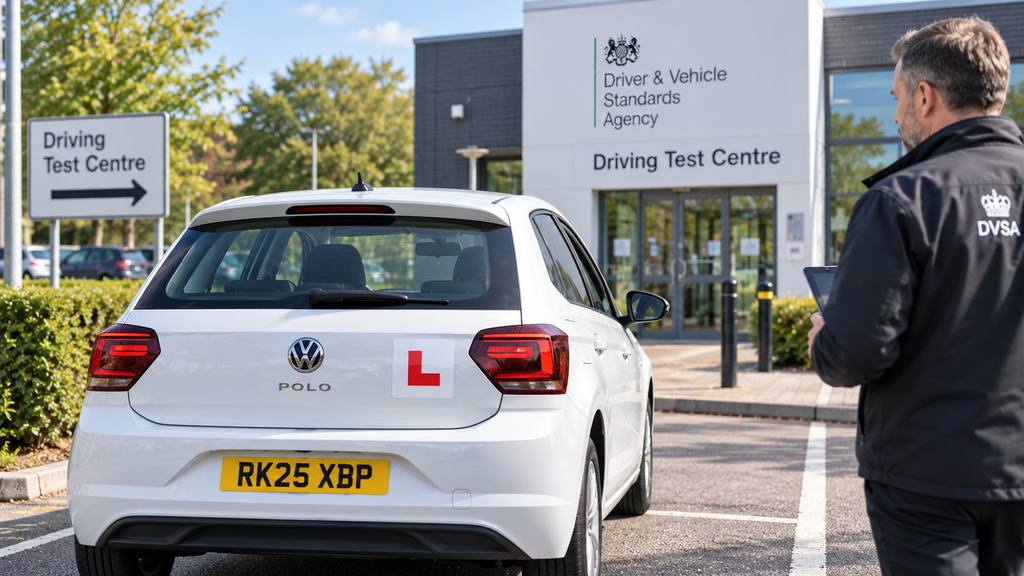
Your examiner will explain what they want you to do and give you an opportunity to ask if you’re unsure about an instruction.
How long is the driving test?
The practical driving test normally lasts around 40 minutes.
The test includes different types of driving designed to assess whether you can drive safely and independently in a range of normal road and traffic conditions.
What happens during the driving test?
The main part of the test is the drive itself.
Your examiner will assess how you:
- Control the vehicle
- Use your observations
- Respond to other road users
- Make appropriate decisions
- Follow road signs and markings
- Use mirrors and signals correctly
- Choose suitable speeds
- Position the car safely
- Make appropriate progress
- Deal with junctions and roundabouts
- Respond to hazards and changing traffic conditions
You don’t need to drive perfectly. The examiner is looking at whether you can drive safely and demonstrate the required standard consistently.
The “tell me” question
Before you start driving, the examiner will ask you one “tell me” question about vehicle safety. You’ll need to explain how you would carry out a basic safety check, such as checking the brakes, tyres, lights or engine oil. You won’t normally need to physically demonstrate the check, but you should be able to explain what you would do clearly and safely.
It’s worth learning all the possible questions before your test. Our show me tell me questions guide covers the full list, with simple answers to help you prepare.
The “show me” question
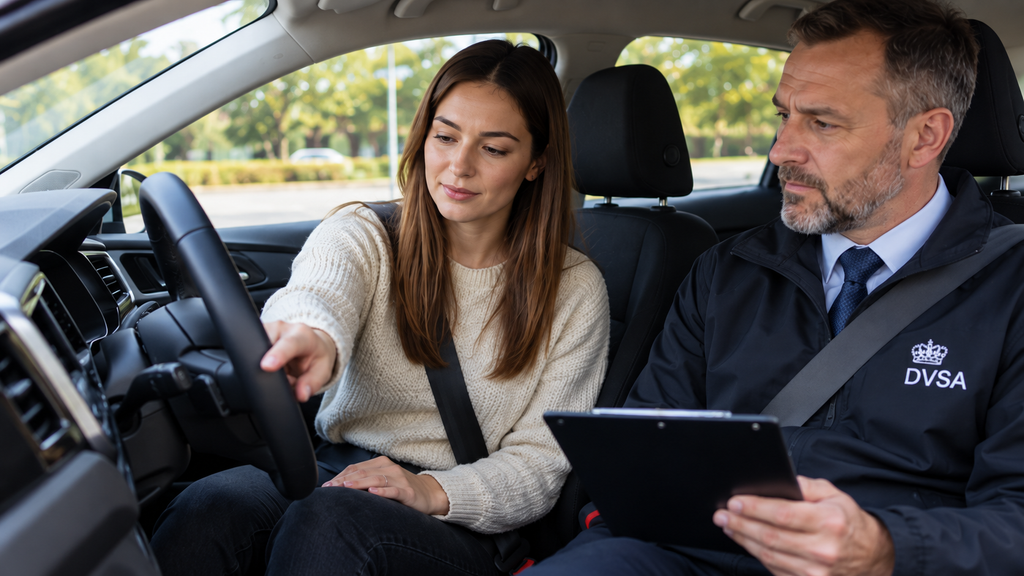
At some point during the test, your examiner will ask you to demonstrate a vehicle safety task while you’re driving.
This is known as the “show me” question.
For example, you may be asked to:
- Operate the windscreen washers
- Switch on the heated rear window
- Operate the demister
- Use the horn
- Switch on the dipped headlights
The examiner will tell you when they want you to demonstrate the task.
Safety comes first. You should only carry out the instruction when it is safe to do so.
You’ll be asked one “show me” question while you’re driving, so it’s worth knowing exactly what you could be asked to demonstrate. You can practise all the possible questions with our show me tell me questions guide before your test.
Independent driving
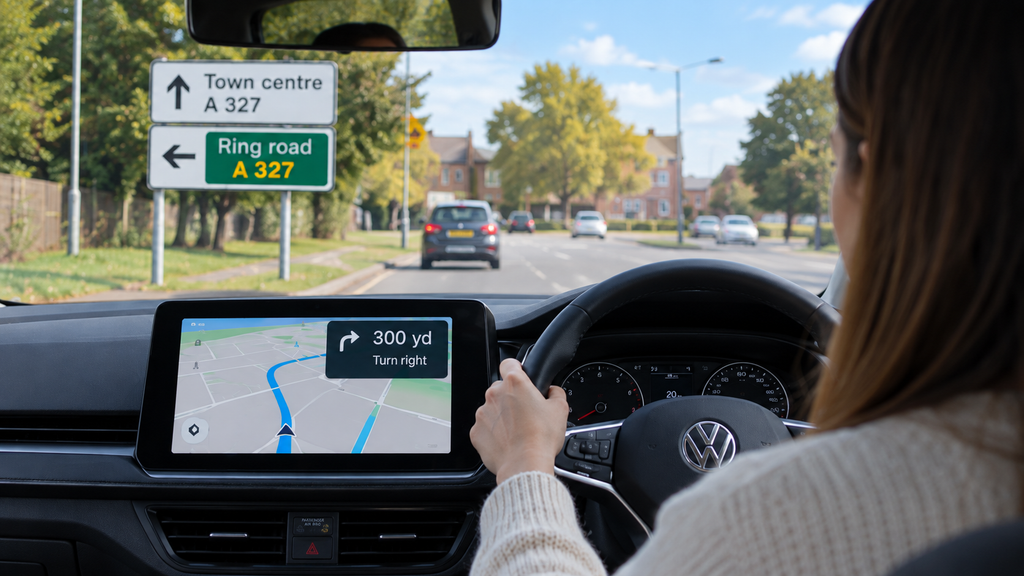
Part of your test will involve independent driving.
Your examiner may ask you to follow:
- Directions from a sat nav
- Traffic signs
- A combination of both
You may also be asked to follow a series of directions.
Don’t worry if you make a wrong turn. If you realise you’ve gone the wrong way, stay calm and continue driving safely. A wrong direction on its own does not automatically mean you’ve failed.
Will I have to do a manoeuvre?
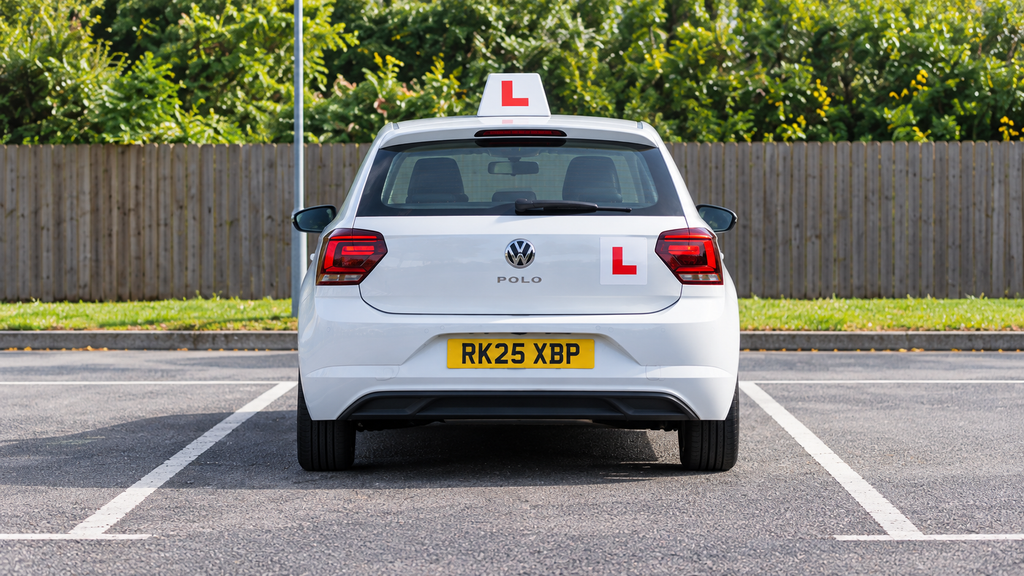
Yes. You’ll be asked to complete one reversing manoeuvre during the test.
This could be:
- Parallel parking
- Parking in a bay
- Pulling up on the right and reversing
You may also be asked to carry out an emergency stop, although this isn’t included on every test.
The important thing is to take your time, make effective observations and follow the examiner’s instructions.
The examiner will ask you to complete one reversing manoeuvre during your test. This could be a parallel park, reverse into a parking bay, drive forward into a bay and reverse out, or pull up on the right and reverse. Practising each manoeuvre separately can help you feel much more prepared for whichever one you’re asked to do.
What happens if you make a mistake?
Making a mistake does not automatically mean you’ve failed.
Driving faults, sometimes called minor faults, are recorded when your driving doesn’t meet the required standard but does not create a serious safety issue.
More serious faults can result in a fail.
If you make a mistake during your test, try not to let it affect the rest of your drive. Concentrate on the road ahead and continue driving safely.
Making a mistake during your driving test doesn’t automatically mean you’ve failed. What matters is the nature of the fault and how you deal with it. If you’re worried about making mistakes on test day, our driving test tips can help you understand what to focus on and how to stay calm when things don’t go perfectly.
What happens at the end of the test?
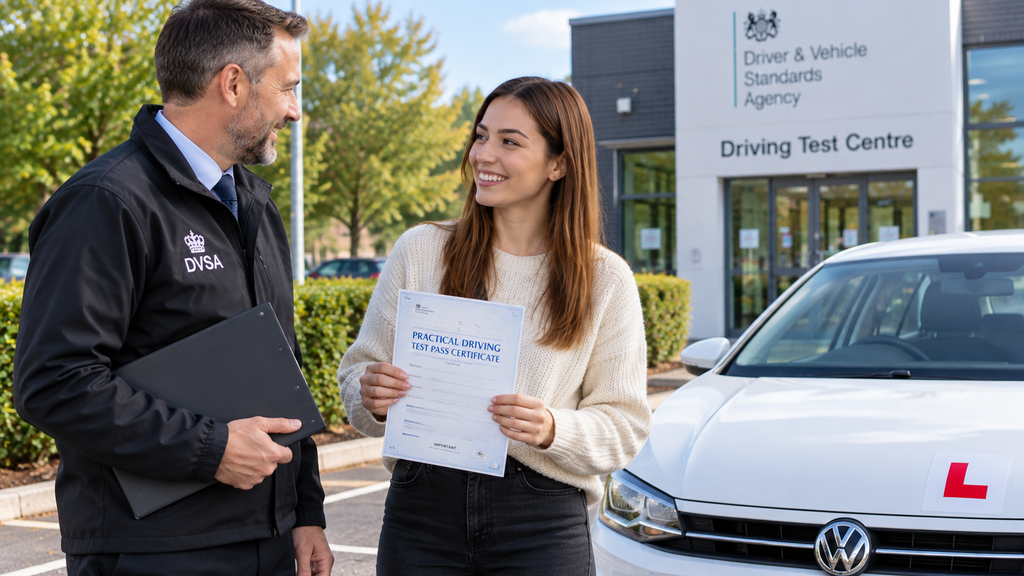
When you return to the test centre, the examiner will normally ask you to switch off the engine.
They’ll then tell you whether you’ve passed or failed and explain the result.
If you’ve passed, you’ll receive information about your driving licence and the examiner will explain what happens next.
If you’ve failed, the examiner will explain the faults recorded during your test. This can help you and your instructor identify what needs more practice before your next attempt.
How is the driving test marked?
Your examiner assesses your driving throughout the test.
They are looking at areas such as:
- Vehicle control
- Observation
- Planning
- Judgement
- Speed
- Clearance
- Following road signs and signals
- Use of mirrors
- Signals
- Positioning
A mistake becomes more serious depending on the circumstances and how it affects safety.
For a more detailed explanation, see our Driving Test Marking Sheet guide.
It’s useful to understand how your driving is assessed before you take your test. The examiner records any driving faults during the test, and some faults can become serious depending on the circumstances. Our guide to driving test faults explains how faults are recorded and how many you can have before you fail.
What should you take with you?
Before leaving for your test, make sure you have everything you need.
You’ll normally need your:
- Driving licence
- Suitable test vehicle
- Glasses or contact lenses if you need them for driving
It’s also worth arriving with enough time to settle yourself before the test starts.
For a full checklist, see our guide to What to Take on Your Driving Test.
What happens if you stall?
Stalling doesn’t automatically mean you have failed.
If you stall, stay calm, make sure it’s safe, restart the car and continue.
What matters is how you deal with the situation and whether the stall creates a safety problem.
What happens if you miss a turn?
If your examiner asks you to turn and you realise you’ve missed it, don’t make a sudden or unsafe manoeuvre to correct yourself.
Continue safely and follow the next appropriate instruction.
During independent driving, you’re being assessed on your ability to drive safely and independently, not on whether you memorise a particular route.
Knowing what to expect is one of the best ways to make your test feel more familiar. If you’re getting close to test day, take a look at our driving test checklist to make sure you’ve covered the practical things you need to prepare before heading to the test centre.
What Happens on a Driving Test: Putting it all together
The practical driving test can seem complicated when you think about all the individual parts, but it’s essentially a test of whether you can drive safely without someone constantly telling you what to do.
You’ll have an eyesight check and vehicle safety questions, followed by the main drive. You’ll complete independent driving and a reversing manoeuvre, and you may be asked to carry out an emergency stop.
Throughout the test, focus on what is happening around you rather than worrying about individual mistakes.
Drive safely, make good observations, plan ahead and keep going.
Quick driving test checklist
Before your test, make sure you know:
☐ What happens when you arrive
☐ How the eyesight check works
☐ The “show me, tell me” questions
☐ How independent driving works
☐ Which reversing manoeuvres you could be asked to do
☐ How driving faults are recorded
☐ What happens when the test finishes
☐ What you need to take with you
One of the easiest ways to feel prepared is to know exactly what you need to take with you on the day. Read our what to take on your driving test guide for a simple checklist of what you need before setting off for your test.